H.578
Sex:
Dogs:
Cats:
Kids:
House Trained:
Crate Trained:
Breed:
Age:
Reason Here:
Arrival Date:
Energy Level:
Size/Weight:
Special Considerations:
Learn more about this case: https://www.wcax.com/2026/02/16/vermont-works-close-gaps-animal-welfare-enforcement/
Christen Trayah, Shelter Manager, Humane Society of Chittenden County (HSCC)
Testimony Re: H.578
My name is Christen Trayah, and I am the Shelter Manager at the Humane Society of Chittenden County (HSCC), a nonprofit, managed-intake shelter serving Chittenden and Grand Isle Counties and, when able, communities statewide. Thank you for the opportunity to provide testimony on H.578. I believe Vermont’s current approach to animal cruelty and neglect is increasingly unsustainable and is failing animals, responders, and animal welfare partners at a time when economic strain and community need are at their highest.
HSCC contracts with municipalities through formal agreements that define capacity, standards of care, documentation, and financial responsibility. These agreements are essential. When cruelty and neglect cases occur without planning or clear responsibility, responses become reactive, animals suffer, and already-overburdened shelters and rescues are expected to absorb the consequences.
Over the past two years, HSCC has been repeatedly pulled into complex cruelty, neglect, abuse, abandonment, and hoarding cases after animals have already been removed, often with no plan for housing, veterinary care, behavioral support, staffing, or funding. These animals often have complex needs and longer lengths of stay. On average, care for these animals cost HSCC $2,447 each.
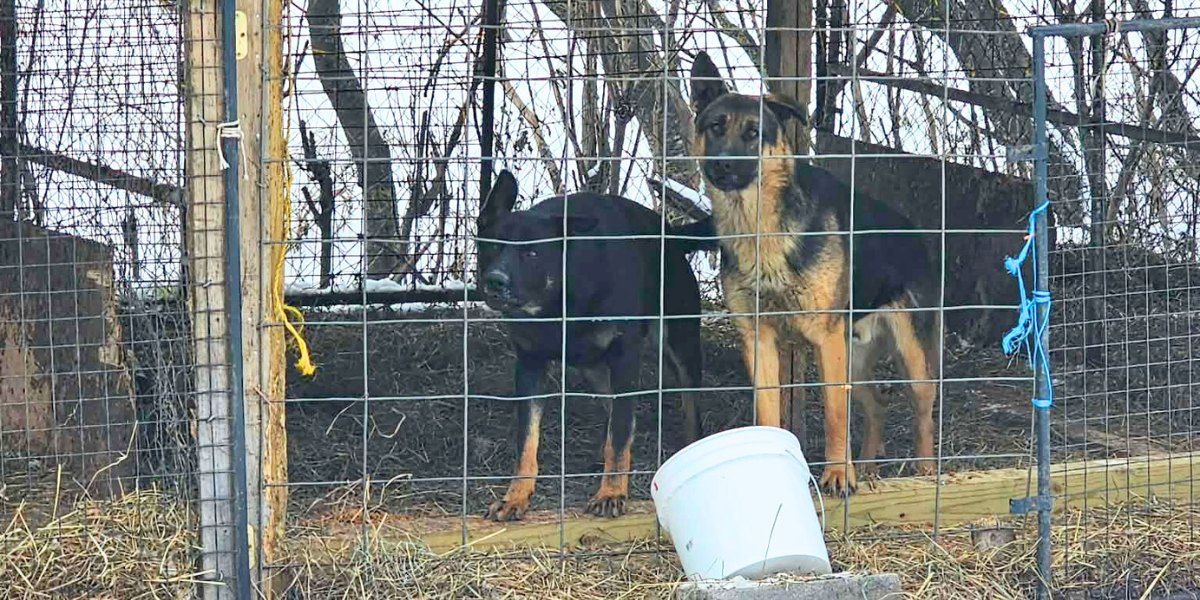
One recent case involved eight large, severely undersocialized dogs who were surrendered in lieu of criminal charges. The animals were placed in an inappropriate temporary facility, where conditions deteriorated rapidly and safety risks escalated. HSCC ultimately assumed custody of 7 of the 8 dogs involved to prevent further suffering, absorbing long-term care and capacity impacts despite having no role in the initial planning. In these situations, shelters and rescues are left to manage long-term care, safety risks, and financial burdens despite having no role in the initial planning or authority over the response.
These cases consistently expose the same systemic failures:
- No mandatory pre-seizure planning
- Reactive outreach to shelters and rescues after animals are seized
- Absence of standardized medical and behavioral protocols
- Disproportionate reliance on nonprofit shelters and rescues to absorb long-term care and costs
- Minimal prosecution or legal consequences despite documented cruelty and neglect
- No clear accountability for outcomes once animals are seized
Statewide, HSCC has assisted with over 150 cruelty-related cases in the past year alone, many resulting in no charges or accountability, while shelters and rescues shoulder the long-term impact. As economic pressures increase, so does the frequency and severity of these cases, yet the system remains reactive, fragmented, and reliant on nonprofit shelter and rescue capacity that is already stretched to its limits.
There are two critical parts of H.578 that must be addressed otherwise I believe the legislation will not be effective:
- The process has to have reliable timeframes. As the bill is currently written, the process could take at least three months and for HSCC to be part of the solution it needs to be no more than 20 days. Current edits to the bill have extended these timeframes rather than shortening them as was the original intent. This was a central consideration for amending the civil forfeiture law (354).
- As currently written, the bill waves the obligation for owners to pay, and so private organizations are forced to cover the expenses. This is not sustainable, and the only remedy if owners are not required to pay, and organizations like HSCC can’t cover the costs, will be for the state to come up with a funding plan.
H.578 is a necessary step forward to protect animals. Shelters and rescues deserve partnership and accountability. I strongly urge the Committee to support H.578 with the changes requested.
Thank you for your consideration,
Christen Trayah
Shelter Manager
Humane Society of Chittenden County
Adoption Center Hours:
Tuesday-Friday: 1PM - 5PM
Saturday: 10AM - 5PM (Closed 12-1PM for naptime)
Sunday & Monday: Closed
Happy Tails